Money admin / By a RNDM Guide
Impulsive spending needs a speed bump, not a lecture
The buy button is faster than your budget. The fix is not more willpower — it is a little well-placed friction and a place to park the urge.
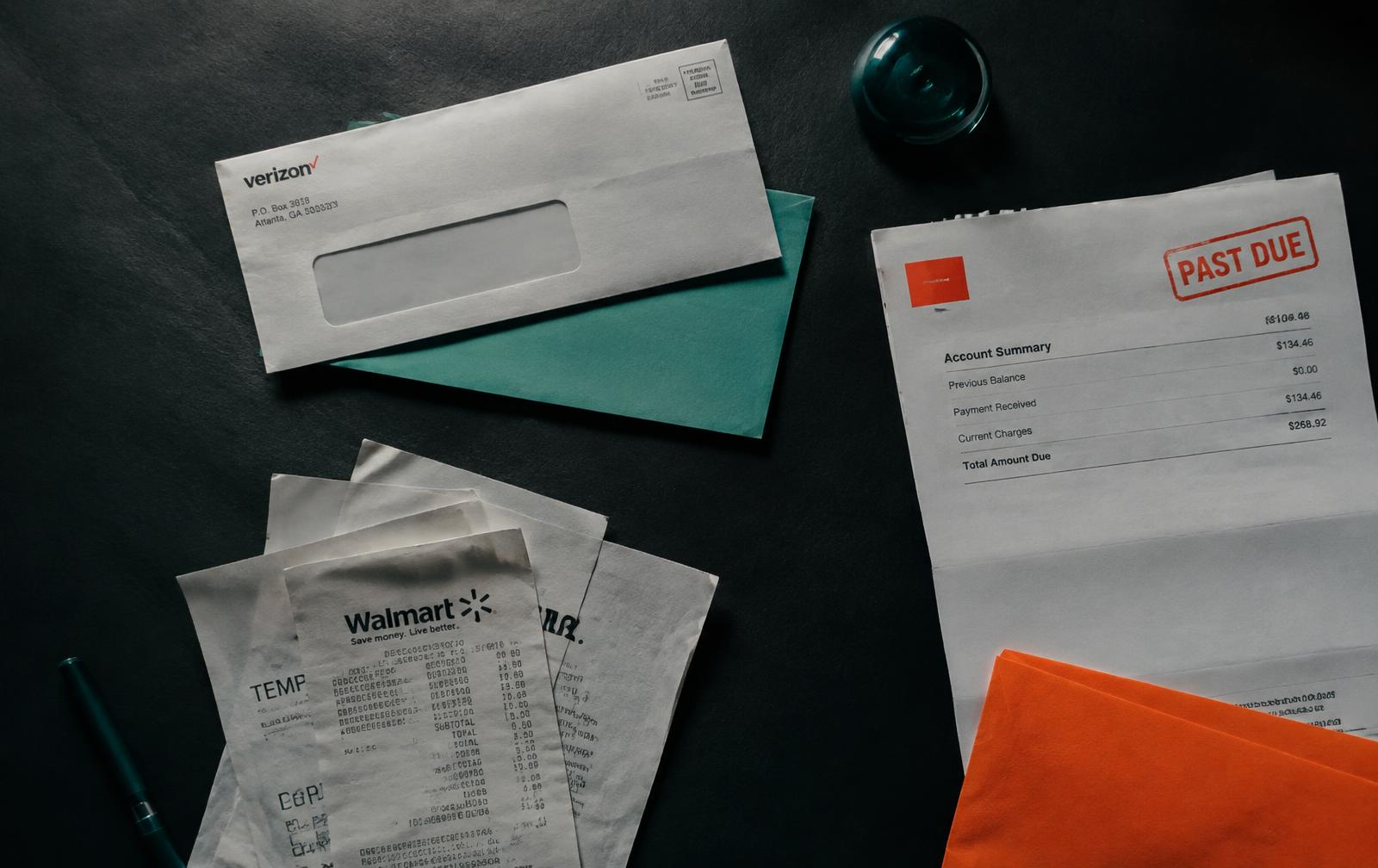
The click is faster than the budget
An impulse purchase is a very short story. Something catches your attention, the idea of owning it feels immediately good, and the checkout is right there, helpfully remembering your card. The whole thing can be over in under a minute. The part of you that compares prices, checks the bank balance, and asks whether you already own three of these simply does not get invited to the meeting.
Many adults with ADHD describe this as one of the places where an interest-driven brain meets modern shopping design. Novelty is rewarding, deciding feels like progress, and the consequences arrive later, quietly, as a statement line. None of this is a character flaw, and this article is not a diagnosis or financial advice. It is a look at why the usual advice — just want it less — tends not to survive contact with a well-timed flash sale.
You cannot out-want a want
The standard plan is willpower: see the thing, want the thing, decline the thing. The trouble is that this plan asks you to win an argument at the exact moment the argument is hardest to have. Every day you succeed, the prize is that nothing happens. Every day you fail, the prize is a parcel. It is not a fair fight, and treating it as one mostly produces guilt, which — unhelpfully — is itself a feeling that a small treat promises to fix.
A more workable goal is friction. You do not have to stop wanting things. You only need the wanting to last slightly longer than the checkout. If the purchase takes a day to complete instead of a minute, the wanting gets time to do what it often does on its own: fade, or turn out to be about something else entirely, like boredom, stress, or the pleasant feeling of having decided something.
Add a speed bump, not a wall
Speed bumps work because they do not require a decision at the moment of speed. A few that people find useful: remove saved cards from shops and browsers, so buying means finding the card first. Turn off one-click ordering. Keep a single parking list — a note on your phone, a page in a notebook — where anything you want to buy goes for at least twenty-four hours before it is allowed to become an order.
Notice what these have in common: none of them bans anything. The parking list is not a list of things you are forbidden from having. It is a list of things you were interested enough in to write down, which is genuinely useful information. If you still want the item tomorrow, and it fits the plan, buy it without a side of shame. The speed bump has done its job either way: the purchase is now a choice, not a reflex.
Give the urge somewhere to go
Part of what makes impulse buying sticky is the fear that the idea will be lost. The deal expires, the shop only has two left, the thought itself evaporates by morning. A parking list answers that fear directly: the idea is captured, dated, and safe. You are not saying no to the thing. You are saying not yet, in writing.
The list also needs a moment when it gets read, or it becomes a graveyard of good intentions. This is where a regular Money Hour earns its keep. Once a week, in the same short appointment you use for bills and renewals, look at the parked items. Some will still make sense. Many will be mysteriously easy to delete. Both outcomes are wins, and both cost you nothing but the thirty minutes you were spending anyway.
Review, do not prosecute
When you do look back at spending, the tone matters more than the detail. A review that turns into a trial — exhibit A, the midnight gadget — teaches your brain one lesson: avoid reviews. Then the speed bumps quietly disappear too, because they are connected to the unpleasant part. Curiosity works better than verdicts. What was happening that evening? Was I tired, celebrating, avoiding something? The pattern is the useful part, not any single parcel.
The Weekly Money Hour worksheet has room for exactly this: one line for what came in, what went out, and what to do differently next week, if anything. The Money Hour tool gives you the timed container for it, and The 30-Minute ADHD Money Reset goes deeper on building a money routine that assumes you are human. Start with the parking list today. It is the smallest speed bump there is, and it works even on the days the rest of the system does not.
General self-help and organisational ideas, not medical or financial advice.
Take a smaller next step
Open the free worksheet →ADHD Field Notes
Small systems.
Room for real life.
Small systems for brains with bigger things to do.
Email entry and signup happen on Kit, not this website. Opening the link alone does not subscribe you. Complete any requested email confirmation through Kit.
Open signup on Kit ↗This site’s PrivacyKit privacy policy ↗Kit subscriber-data processing addendum ↗