Money admin / By a RNDM Guide
Money admin needs an ending
A short appointment, one visible next step, and a handoff that makes returning easier.
Not a financial overhaul
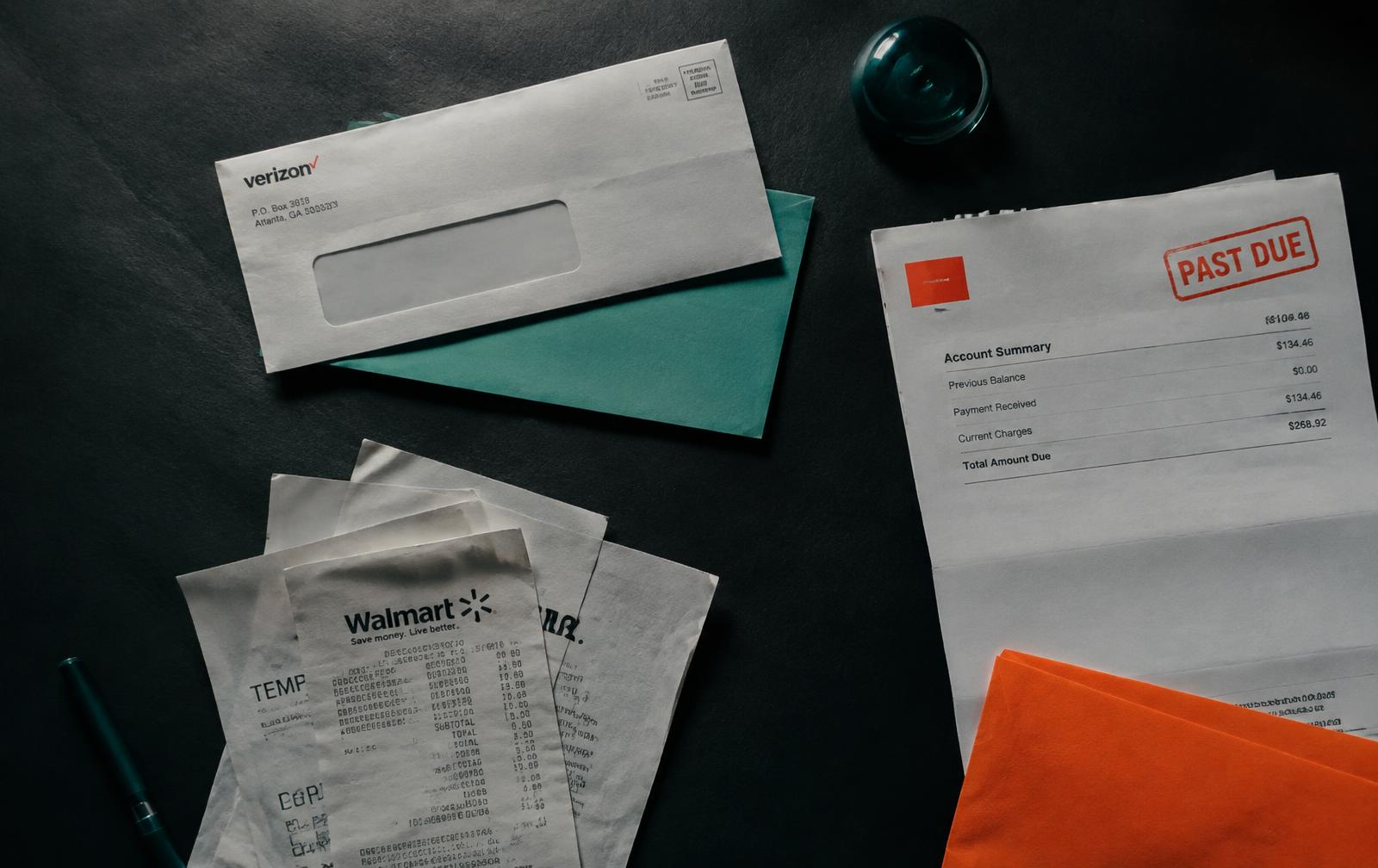
Money admin often arrives as a pile rather than a task. A letter, a renewal email, a subscription you meant to check, a form that needs a reference: none announces how long it will take. “Sort out my finances” becomes the label for all of them. That label is too large to start and too vague to finish.
A Money Hour is a container for this admin, not a demand that you solve your financial life in one sitting. Here, the container is thirty minutes. Its job is to make one or two things clearer and leave a useful handoff. It is not investment guidance, a budget prescription, or a substitute for qualified help when you need it.
Gather without opening every door
Use the first five minutes to bring known items together and identify the nearest deadline. You do not need to search every inbox or inspect years of transactions. Choose your usual secure sources and official service websites. If a message looks suspicious, do not follow its payment link; go directly to the service through a route you trust.
Put the most time-sensitive item at the top. An unopened bill due tomorrow may matter more than a small subscription renewing next month. If you do not know the due date, finding it is a legitimate first task. You are turning an undefined worry into a piece of information, not grading your past choices.
Give the middle a narrow job
Spend the next ten minutes on bills and deadlines. Check whether payment is already arranged before paying or changing anything. If you cannot complete the payment, the next useful action might be checking the provider’s support options or noting a call to make. Record that action in plain language. Do not treat “not paid yet” as the same thing as “nothing can be done.”
Then use ten minutes for one renewal and one small loose end. For a subscription, find the actual renewal date and any cancellation notice period. “I should cancel this sometime” is not a reminder. “Review the membership before the notice deadline” is something you can put on a calendar. Keep confirmation of any completed cancellation securely; this printable sheet does not need account identifiers.
Keep the map light and private
The one-page money map is an overview of admin, not a duplicate bank record. Service nickname, due day, auto-pay status, next task: that is enough for many reminders. Do not write card numbers, passwords, full account details or other sensitive identifiers. A paper map can still reveal personal information, so keep the completed page somewhere private.
Auto-pay is a useful checkbox, but it is not proof that nothing needs attention. Dates can change, services can renew, and payment arrangements can fail. You can write “check” or “unknown” until you verify the arrangement through the official source. The map is most useful when uncertainty becomes a small task rather than an invisible assumption.
Reserve the last five minutes
When the timer reaches twenty-five minutes, stop opening new problems. File finished paperwork, collect what remains, and write one follow-up for next time. For example: “Find the insurance renewal letter before Thursday” is a handoff. “Be better with money” is a verdict, and not a particularly useful one.
Choose the next appointment while the sheet is in front of you. If the thirty-minute session was too much, make the next one shorter and narrower. If a deadline cannot wait, separate that urgent action from the general pile rather than promising a marathon. Use the Money Hour tool for a digital timer and local checklist, or keep the printable beside the paperwork. The book offers more ways to reduce the friction around returning. A clear ending makes that return easier.
Keep that follow-up small enough to recognise at a glance. You want your future self to find a next action, not a second mystery. Leaving a specific note is part of the work you completed today, even when the underlying bill or renewal still needs another appointment.
General self-help and organisational ideas, not medical or financial advice.